
Our team monitored over 400 birds this season!
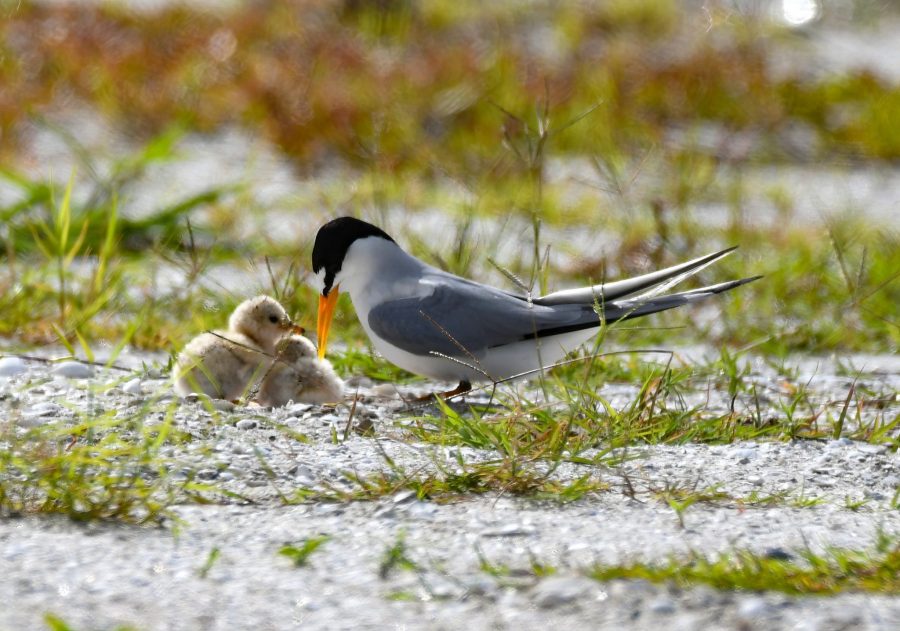
This year marks our East Coast Zoological Foundation’s (ECZF) second successful season of monitoring native shorebird populations along our coastlines through the Space Coast Shorebird Partnership. From March through September, our team of volunteers and staff monitors native bird species populations, including least terns and black skimmers, during their breeding season. Our population counts provide important data and allow us and our partners to better understand various factors, such as the effects of habitat loss, predation and pollution on their populations. Based on the statistics received from monitoring, our partners can implement better, data-driven management strategies and develop conservation guidelines to help these birds.
Hear from our conservation specialist Yagen about how this season’s monitoring went!
Q: Any overall takeaways from this season?
A: Overall, this was a very successful and encouraging shorebird nesting season, particularly at one of our ground-nesting colonies. The birds returned to the same location where they nested last year, but this season we saw much greater success, with an estimated 20 or more chicks successfully fledging. That improvement showed us how effective proactive protection and community involvement can be. We installed multiple chick shelters throughout the colony, placed chick-crossing signs to alert drivers, regularly monitored the site, shared updates on the community Facebook page, and worked closely with nearby residents to help protect the birds. Seeing the community become invested in the colony—and watching so many chicks successfully grow and fledge—was one of the most rewarding outcomes of the season.
Q: Has our group of volunteers grown since we began?
A: Our volunteer program has grown significantly since we began, and this season marked an important step forward in building a more organized, knowledgeable, and engaged team. We onboarded many new volunteers and offered multiple training opportunities to help them develop the skills needed to monitor nesting sites, document activity, identify concerns, and respond appropriately when issues arose. Together, our volunteers contributed more than 300 hours throughout the season, allowing us to monitor sensitive colonies more frequently and maintain a consistent presence at key locations. We also organized a team birding field trip to Florida’s west coast where volunteers had the opportunity to observe one of the largest black skimmer colonies in the state. The trip was a valuable learning and team-building experience that helped volunteers better understand the species and the broader importance of the work they are supporting.
Q: Any specific birds that you monitored that stand out in your mind?
A: The ground-nesting colony at Catamaran Cove especially stands out. The birds returned after nesting at that site the previous year, which suggests they continued to view the area as suitable nesting habitat. Although the colony experienced greater nesting success this season, their return alone reinforced the importance of continuing to protect the site and build upon what we learned last year.
Because the colony was located near homes and within an active construction area, its protection required regular monitoring, building chick shelters, putting up signage, communication with residents, and significant support from our volunteers. The developers were also incredible partners throughout the season. They worked closely with us, remained responsive to the needs of the colony, and helped us protect the birds while construction activity continued nearby. Watching the birds successfully raise and fledge so many chicks in such a challenging and active environment was incredibly rewarding and became a powerful example of community-supported conservation.
Q: How many birds did you monitor?
A: Over the course of this season, we monitored approximately 400 least turns and 23 black skimmers. This included observing 62 nests and over 60 miles of coastline during monthly surveys, and several active ground-nesting and rooftop colonies. Our volunteers also put in 330 hours of monitoring!
Q: Any trends you’re starting to see year-over-year?
A: One trend we are beginning to see year over year is the continued importance of alternative nesting locations. In Brevard County, many beaches are narrow and vulnerable to disturbance and overwash, so least terns and black skimmers are frequently relying on gravel rooftops, construction sites, and other disturbed areas. We are also seeing that when colonies return to the same location, early preparation and previously established relationships with property owners, residents, volunteers, and partners can make a major difference in their success.
Another positive trend is the growth of public awareness and volunteer involvement. We are building a stronger network of people who recognize nesting activity, report concerns, and want to help protect these birds. That community involvement is becoming an increasingly important part of our conservation work.
Brevard Zoo is an independent, not-for-profit organization that receives no recurring government funding for our operating costs. Your generous support enables us to continue to serve our community and continue our vital animal wellness, education and conservation programs.