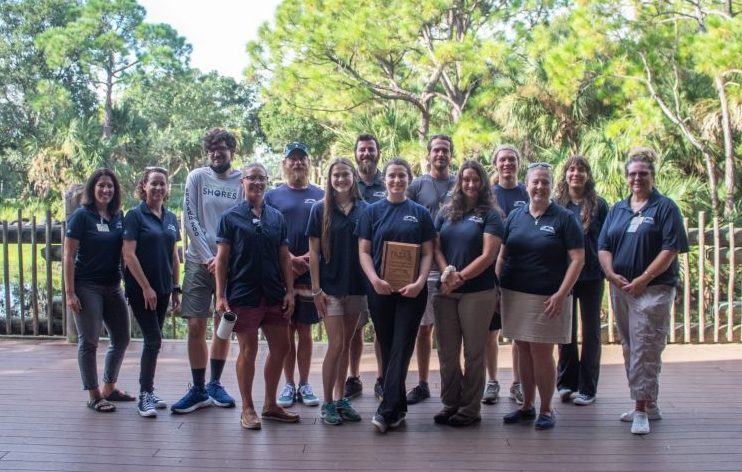
One of the team’s many accomplishments this year was receiving an award for their oyster conservation work!
Editor’s note: We are reflecting on our 12 most impactful moments of 2025. Your support made these incredible stories of rescue, recovery and wonder at your Zoo possible. Thank you. We celebrate what your support made possible – and ask you to help create even more magical moments in 2026. Learn more here.
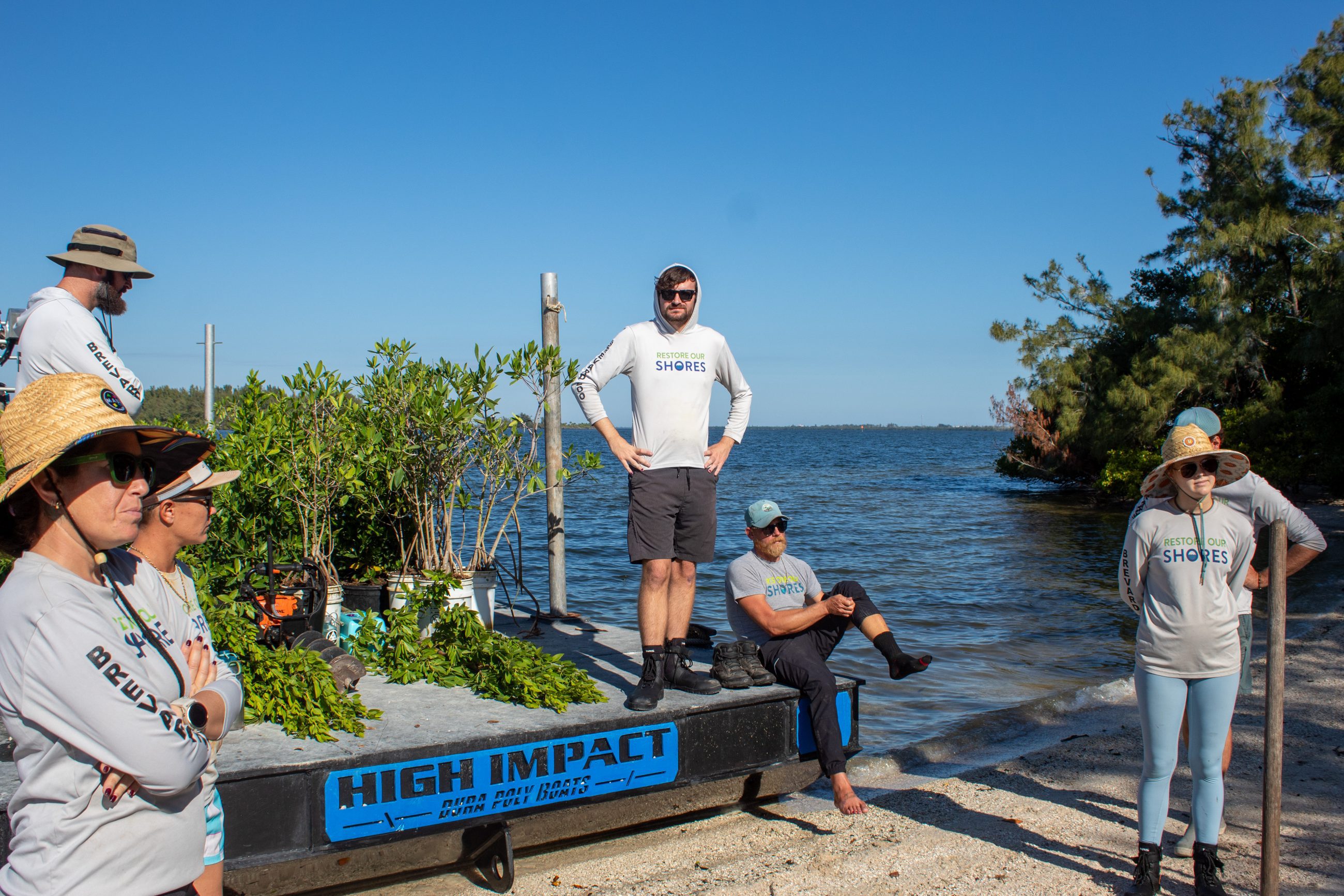
Our East Coast Zoological Foundation’s Restore Our Shore’s program has had its busiest and most impactful season yet! Our dedicated team has made incredible conservation achievements over the last few months, from building over 50,000 square feet of oyster reef in the Indian River Lagoon to conducting cutting-edge research on seagrass grown in our own nursery.
Let’s go through some of our team’s biggest wins of 2025.
Oysters
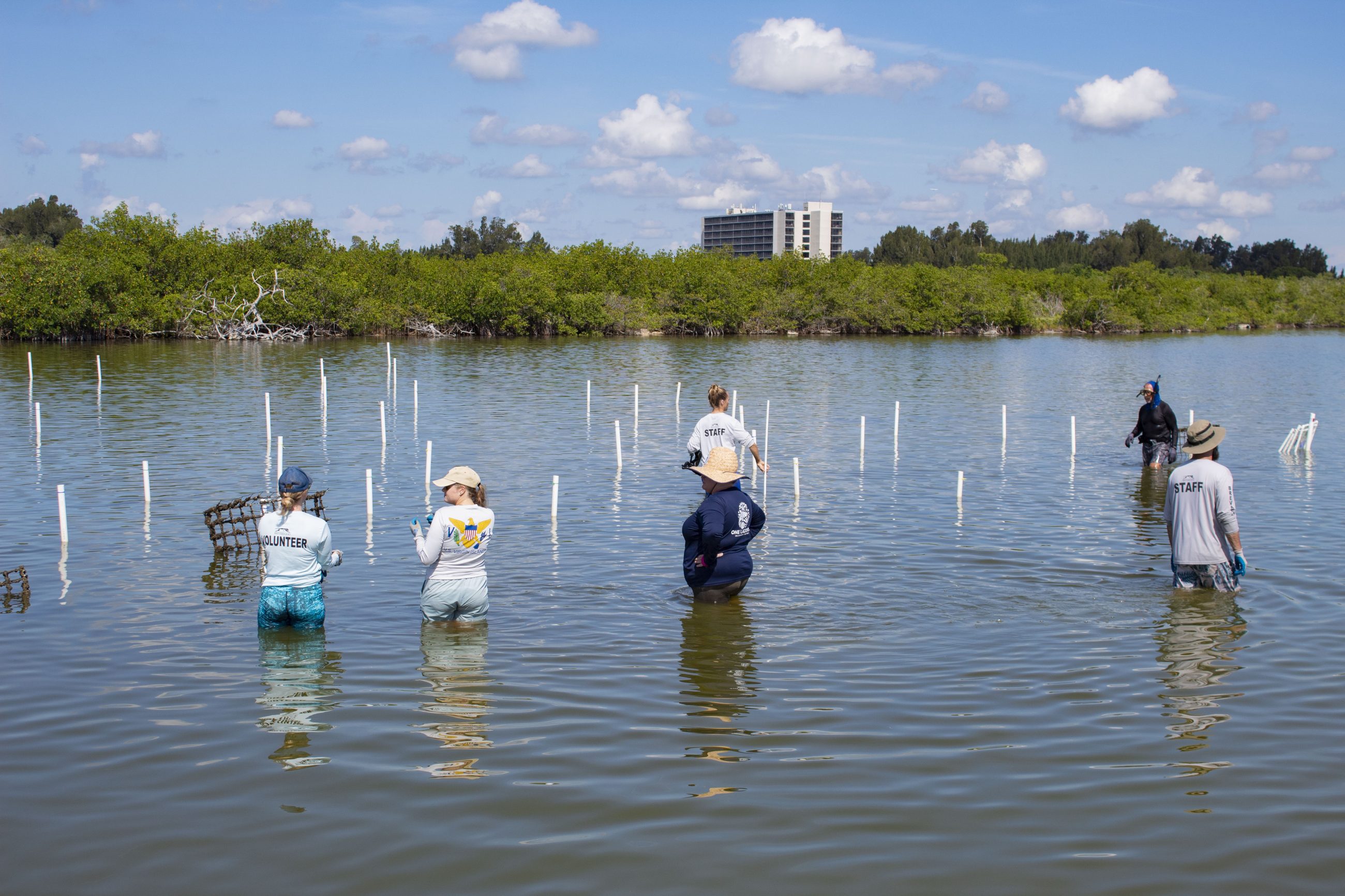
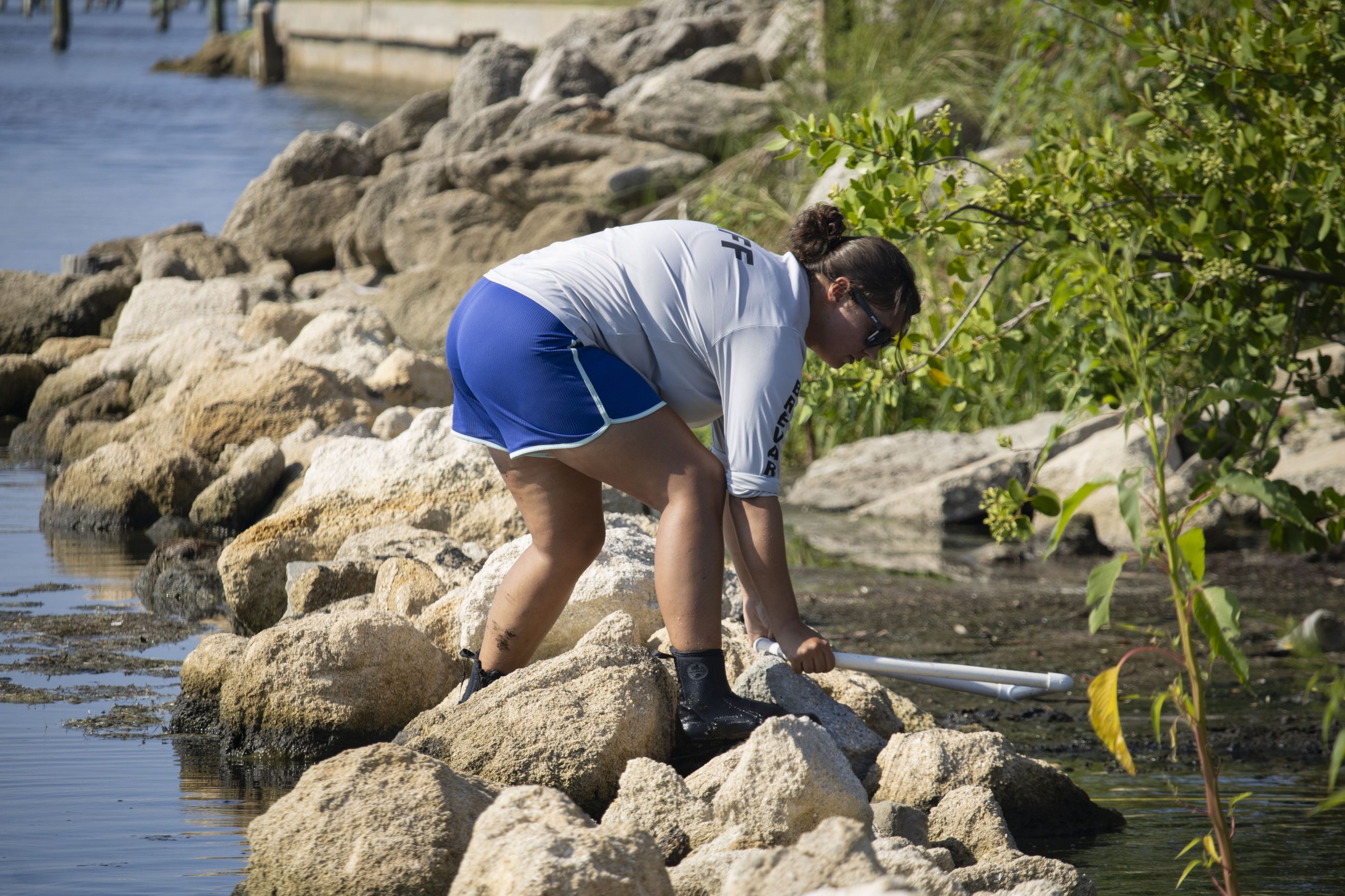
We’ve been restoring oysters, a keystone species that holds a vital role in keeping the ecosystem balanced, in the Indian River Lagoon for over a decade. This year, we were able to build just over 52,000 square feet of oyster reef! This is nearly double the amount of reef that we built last year.
“With a full-time construction team and our own barge, we’ve been able to scale up our building process to great effect,” said conservation manager Tyler. “We’ve taken years to finalize a successful design that utilizes all-natural material for our system, and it’s been super exciting to be able to scale it up to build as much beneficial habitat as possible.”
This incredible work was made possible by the generosity and support of the River Branch Foundation, who supported Restore Our Shores’ oyster reef restoration in the Indian River Lagoon!
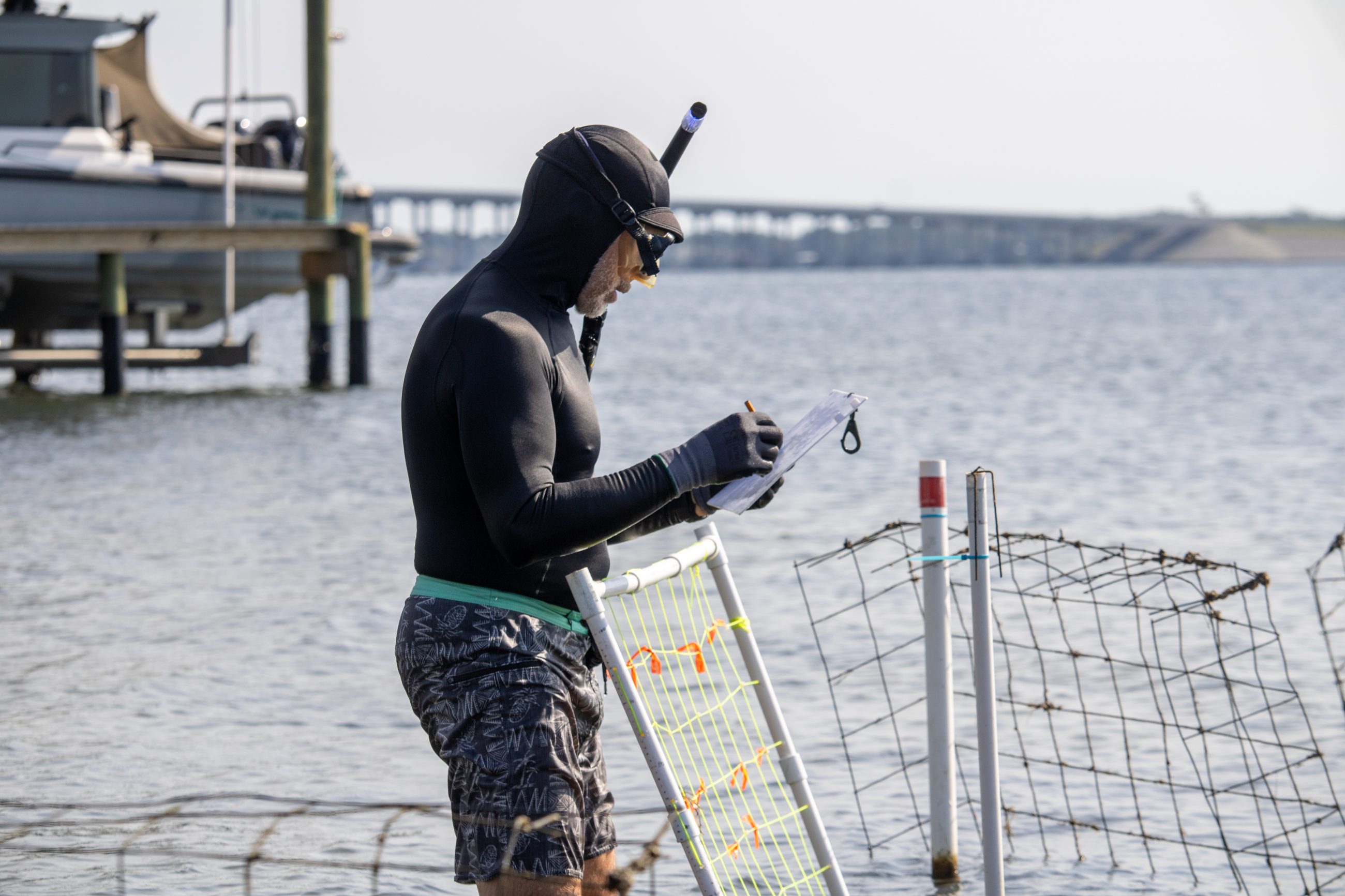
Aside from creating new oyster habitat, we’ve added multiple new restaurants to our Shuck & Share program, conducted a health study on native oysters and seeded approximately 12,000 live oysters onto a subsection of reefs built this year.
We’re also proud to share that our Restore Our Shores’ oyster restoration efforts in the lagoon received the Florida Nature Conservation Award from the Florida Association of Zoos and Aquariums (FAZA)! This award recognizes excellence in field conservation efforts to benefit Florida species.
We also want to highlight all of our dedicated oyster gardeners who committed their time to growing oysters off their docks, a key way we obtain oysters for our restoration work. If you’re interested in being a gardening volunteer next season, head to our website.
Seagrass
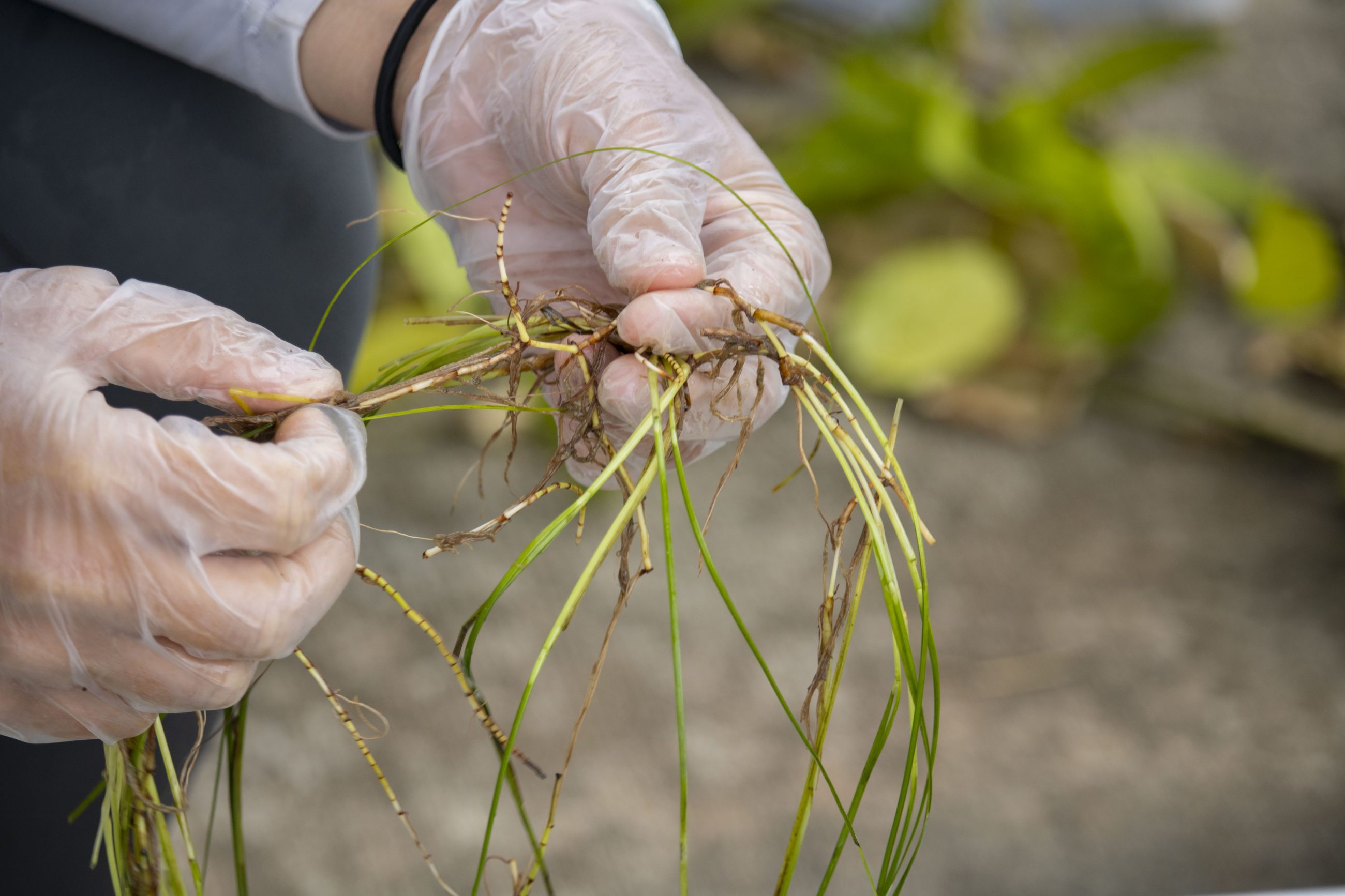
This year, we’ve planted around 7,000 shoots of seagrass into the Indian River Lagoon! We have started to conduct research on these plots to see how the seagrass interacts with a common macroalgae in the lagoon. While a lot of this fieldwork is still ongoing, we have observed some important data so far that we hope will help inform our future work with seagrass.
We’ve also been continuing to grow seagrass for future projects and research at our two seagrass nurseries. We estimated about 80,000 shoots of seagrass growing this past August, a huge increase compared to the same time last year.
Another big highlight for the team was observing flowering & seeding of Halodule wrightii, the main seagrass species grown in one of our nurseries.
“Finding two seeds in two tanks at the nursery may not sound like much, but it has given us the groundwork and desire to hopefully start working toward a better understanding of how this species functions,” said Tyler. “It could potentially have great benefit for research and restoration in our area.”
We are incredibly proud of how far we’ve come when it comes to seagrass restoration in the lagoon, and we can’t wait to see what our continued research reveals in the coming years.
Shoreline Restoration
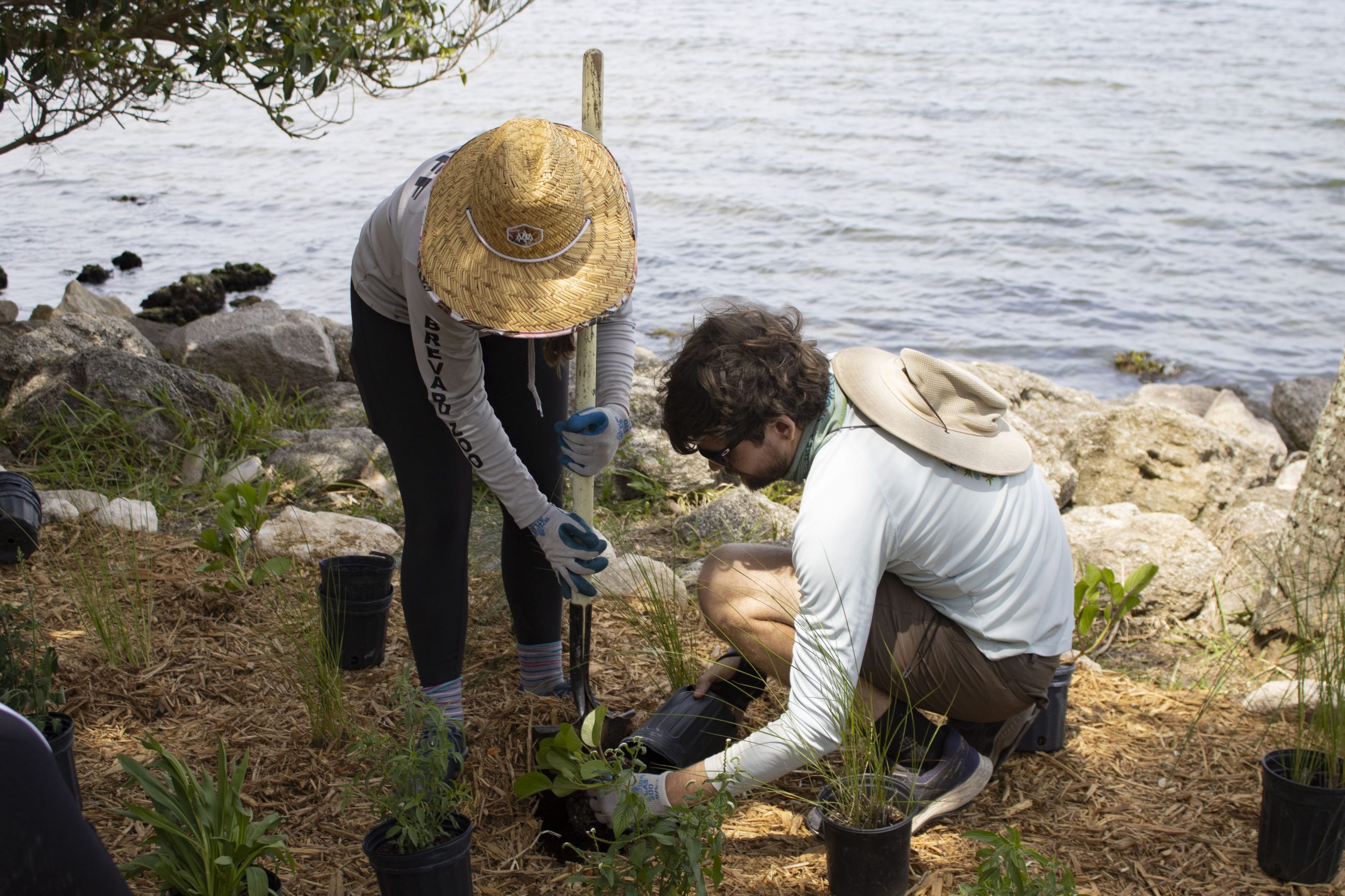
This year, we installed around 4,000 square feet of buffer zones and a singular 2,945-square-foot living shoreline project in Titusville. These shoreline restoration projects reverse and prevent erosion, reinstate native plant populations, buffer against storm surge, improve water quality, offer habitat to shorebirds and small mammals and more! Another main goal of these sites is to be an educational resource and show the community what is possible with native plants.
“I think we’ve been able to pilot designs that are successful and (hopefully) show the beauty of native landscaping,” said Tyler. “We’re working on designing a hydroponics project to better understand how native plants uptake nutrients and monitor our project sites to see how they fare long term.”
These projects are new to our team, so we’re continuing to learn and expand this program. We can’t wait to see what’s in store for next year.
Even More Projects!
Think we’ve already covered all of this year’s projects? Not even close! This small team achieves results that far exceed what their size would suggest. From conducting supplementary microbial samplings of seagrass and sediments to determining monitoring methods to quantify fish use on artificial reefs to countless intern projects, the scope of our program is ever-growing. Restore Our Shores has a hand in many aspects of Indian River Lagoon restoration. With thriving partnerships and funding from you, our positive impact will only grow.
While our team has had many accomplishments this year, this group has also faced many challenges. We are on the cutting-edge of much of our research and forging new paths forward with many lofty restoration goals. This means roadblocks will occasionally get in the way, but our staff persevere every day.
“None of it is easy work, and a lot of times we’re pivoting and making do with what we have,” said Tyler. “I am very often reminded of how proud I am of my team for rolling with all the punches and going above and beyond.”
For over a decade, we’ve been answering the call for our region with thoughtful and impactful work. We’re incredibly thankful for all the moments of impact that our Restore Our Shores team has had this year. Help our team make even more of a difference in 2026 by making a donation. Learn more here.
Brevard Zoo is an independent, not-for-profit organization that receives no recurring government funding for our operating costs. Your generous support enables us to continue to serve our community and continue our vital animal wellness, education and conservation programs.
We would like to thank the following generous donors for supporting our Restore Our Shores programs:
Flammio Financial Group · Stifel- Garvin Wealth Management Group · Artemis IT · Pepsi Bottling Company · Amazon · PCL Construction | Nassal | MEC | Heard · Brewer Paving and Development · HHCP Architects · Boys Electrical Contractors · SSA Group · AOA